
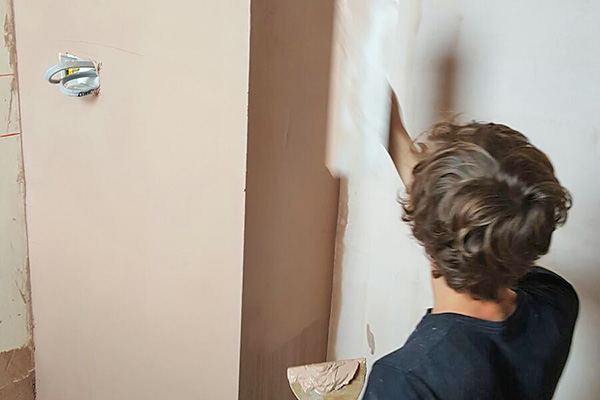
When it comes to preserving the value and integrity of your property, damp proofing is a vital consideration that many homeowners overlook, often to their detriment. At Wheatley Plastering & Damp Solutions, we specialise in comprehensive damp proofing services designed to protect your home from the damaging effects of moisture, ensuring it remains a safe, comfortable, and valuable investment.
In this blog, we’ll delve into the causes and signs of damp, explore the different types of damp issues, and explain how professional damp proofing plays a crucial role in maintaining and even enhancing your property’s value. We’ll also outline the expert damp treatments we offer to safeguard your home from moisture-related damage. Contact us today for more information!
What causes damp in properties?
Damp can arise from a range of sources, both external and internal. Without addressing the root causes, damp problems often worsen, leading to costly repairs and a significant drop in property value. It’s crucial for homeowners and property managers to recognise these causes early to take appropriate action.
- Poor or Damaged Roofs
Cracks, missing tiles, or faulty flashing allow rainwater to seep into the property. Over time, water can penetrate ceilings and walls, leading to rot and structural damage. Regular roof inspections and timely repairs are essential to prevent moisture ingress.
- Faulty Gutters and Downpipes
Blocked or leaking gutters can cause water to overflow and penetrate walls. This excess water can pool around the building’s foundations or seep into masonry, accelerating decay. Keeping gutters clear and well-maintained is a simple but vital preventative measure.
- Rising Damp
Moisture from the ground rises through porous materials like brick or plaster due to capillary action. It typically affects the lower sections of walls, causing paint to peel and plaster to crumble. If untreated, rising damp can lead to serious structural issues and costly repairs.
- Penetrating Damp
Occurs when external water breaches the building fabric, often through cracks or damaged pointing. This type of damp is commonly seen on walls exposed to driving rain and can affect any height of the property. Weatherproofing and timely repairs to external surfaces are key to managing penetrating damp.
- Condensation
High humidity levels inside the home cause moisture to settle on cooler surfaces. This often happens in kitchens, bathrooms, and poorly ventilated rooms, leading to mould growth. Controlling indoor humidity and improving airflow helps to reduce condensation problems.
- Leaking Pipes
Internal plumbing issues can lead to damp patches within walls and floors. Hidden leaks may go unnoticed for some time, causing gradual water damage and unpleasant odours. Prompt repair of leaks is critical to prevent damp-related deterioration.
- Poor Ventilation
Lack of airflow traps moisture indoors, worsening condensation and mould growth. Inadequate ventilation is often a problem in modern, airtight homes without sufficient extraction fans or vents. Ensuring good ventilation helps maintain a dry, healthy indoor environment.
- Flooding and Waterlogging
External water accumulation around the property’s base can saturate walls. This is particularly problematic in low-lying areas or after heavy rainfall. Proper drainage systems and waterproofing solutions are essential to protect your home from these risks.
Identifying the source of damp is essential before any effective treatment can begin. At Wheatley Plastering & Damp Solutions, we carry out thorough assessments to pinpoint the exact cause of damp, enabling us to recommend the most appropriate and lasting solution.
Signs of Damp
Damp is not always immediately obvious, but it leaves tell-tale marks that signal a problem. Whether you’re inspecting your own home or considering purchasing a property, being aware of these signs is key to maintaining a healthy, dry living environment. Common signs of damp include:
- Visible Mould and Mildew: Often black, green, or white patches appearing on walls, ceilings, or behind furniture.
- Peeling or Bubbling Wallpaper and Paint: Moisture causes adhesives and paint to fail.
- Damp Patches or Stains: Brown or yellowish discolorations on walls and ceilings.
- Musty Odours: Persistent damp smells often accompany unseen moisture issues.
- Rotting Wood: Window frames, skirting boards, or floorboards that feel soft or crumbly.
- Efflorescence: White, powdery salt deposits on walls due to moisture evaporation.
- Cold and Damp Walls: Walls feel cold and clammy to touch.
- Blistering Plaster: Plaster lifting or cracking due to trapped moisture.
- Increased Allergy Symptoms: Damp environments can exacerbate asthma and allergies.
- Rusting Metal Fixtures: Moisture accelerates corrosion of metal in the home.
If you notice any of these signs, it’s essential to seek expert advice promptly. Early intervention can prevent structural damage and preserve your property’s value. Our team at Wheatley Plastering & Damp Solutions specialises in detecting and treating all forms of damp.
Types of Damp
Damp isn’t a one-size-fits-all problem. Different types of damp require distinct approaches and treatments to effectively resolve the issue. Before tackling damp, it’s important to understand its different forms. Each type of damp has unique causes, symptoms, and solutions. Here’s an overview of the main types you might encounter.
- Rising Damp: Moisture rising from the ground through walls due to a failed or absent damp proof course (DPC). It usually affects the lower parts of walls and causes salt deposits, peeling paint, and mould.
- Penetrating Damp: Water entering through cracks, gaps, or damaged external walls, typically affecting walls exposed to driving rain. It can affect any height of the building.
- Condensation: The most common form of damp inside buildings, caused by moisture-laden air cooling and condensing on cold surfaces such as windows and walls.
- Leaking Damp: Resulting from plumbing leaks or faulty appliances, causing localised wet patches.
- Interstitial Damp: Moisture trapped within the layers of a wall or roof structure, often hidden and harder to detect.
Recognising the type of damp is vital for applying the correct treatment. Misdiagnosis can lead to ineffective repairs and recurring issues. At Wheatley Plastering & Damp Solutions, we use industry-leading diagnostic tools to determine the precise nature of your damp problem before recommending a tailored solution.
The Role of Damp Proofing in Maintaining Property Value
Damp proofing is not merely a maintenance task; it’s an essential investment that protects your property’s value, health, and longevity. Whether you’re a homeowner, landlord, or investor, taking steps to prevent damp will safeguard your asset and provide peace of mind. Here’s why damp proofing should be a top priority for every property owner.
Protecting Structural Integrity
Damp weakens building materials, causing bricks, mortar, and plaster to deteriorate over time. This structural damage compromises the safety and stability of your property. Left unresolved, damp can also corrode internal fixings and weaken wooden joists, leading to costly structural repairs. Effective damp proofing stops moisture infiltration, preserving the strength of your home.
Preventing Health Risks
Damp environments promote mould growth and increased humidity, which can cause respiratory problems, allergies, and other health concerns for residents. Maintaining a dry property safeguards your family’s wellbeing, which in turn enhances the property’s appeal. Children, the elderly, and those with existing health conditions are especially vulnerable to the effects of living in a damp environment.
Preserving Aesthetic Appeal
Damp-related stains, mould patches, and peeling paint can make your property look unkempt and poorly maintained, directly impacting its market value. Damp proofing keeps your home looking fresh and inviting. A well-presented home is not only more pleasant to live in, but it also makes a far better impression on potential buyers or tenants.
Increasing Market Value and Saleability
Properties with known damp issues often attract lower offers or fail to sell quickly. A well-maintained, damp-free home commands higher prices and faster sales. Buyers are more willing to invest in a home that is structurally sound and free from moisture-related issues, avoiding future expense and inconvenience. Damp proofing is a crucial step in maintaining or increasing your property’s value.
Reducing Maintenance and Repair Costs
Ignoring damp leads to escalating repair bills, from replastering and repainting to structural work. Investing in damp proofing early saves significant time, money, and hassle in the long run. Proactive damp management can reduce the need for emergency callouts, prevent hidden damage, and extend the lifespan of interior finishes.
Enhancing Energy Efficiency
Damp walls lose heat more rapidly, increasing heating costs. Damp proofing improves insulation, making your property more energy-efficient and comfortable year-round. A dry, well-insulated home requires less energy to heat, contributing to lower energy bills and a reduced carbon footprint.
Damp proofing is more than just preventative maintenance, it’s a powerful strategy for protecting your investment, boosting marketability, and enhancing the comfort and safety of your home. By working with specialists like Wheatley Plastering & Damp Solutions, you ensure your property remains in excellent condition, now and in the future.
Our Damp Treatments
At Wheatley Plastering & Damp Solutions, we offer a range of specialist treatments tailored to combat all types of damp effectively:
Rising Damp
Rising damp is caused by moisture moving upwards through walls from the ground. Our treatment involves installing or repairing the damp proof course (DPC), injecting specialised chemical barriers, and applying breathable, anti-damp plasters to protect your walls. Learn more about our rising damp solutions.
Waterproofing
For properties suffering from penetrating damp or water ingress, our waterproofing services create a barrier to prevent external moisture from entering your building. We use advanced damp proof membranes, tanking solutions, and sealants to protect basements, cellars, and external walls. Discover our waterproofing services.
Condensation Control
Excess condensation is a leading cause of damp inside homes. Our experts assess ventilation systems, install dehumidifiers, and apply anti-condensation treatments to maintain balanced humidity and prevent mould growth. Find out more about condensation control.
Basement & Cellar Conversions
If you’re considering converting your basement or cellar, we provide comprehensive waterproofing and damp proofing to ensure these spaces remain dry and usable. Our solutions protect against rising and penetrating damp, allowing you to create valuable additional living space. Explore basement and cellar conversions.
If you’re noticing signs of damp or planning a renovation project, don’t wait for the problem to escalate. Contact Wheatley Plastering & Damp Solutions today for expert advice, a detailed survey, and tailored treatments that keep your property dry, safe, and structurally sound.
In Conclusion: Protect Your Property’s Future Today
Damp is an insidious enemy that quietly erodes your property’s value and your quality of life. But with the right knowledge and expert intervention, it’s a problem that can be completely controlled. At Wheatley Plastering & Damp Solutions, we’re passionate about helping Kent homeowners safeguard their properties through effective, reliable damp proofing treatments.
Don’t let damp steal your peace of mind, or your property’s worth. Get in touch with us today for a consultation and let us protect your home for years to come.
FAQs
What is damp proofing?
Damp proofing involves measures to prevent moisture from penetrating walls, floors, and roofs, protecting your property from damp-related damage.
How do I know if I have rising damp?
Rising damp typically affects the lower parts of walls, causing damp patches, peeling paint, and salt deposits near the skirting boards.
Can condensation cause structural damage?
While condensation mainly affects internal surfaces, prolonged moisture can damage plaster and paint and encourage mould growth, impacting health.
How long does damp proofing treatment last?
Professional damp proofing can last 10-20 years, depending on the treatment type and property conditions.
Is damp proofing expensive?
Costs vary based on the severity and treatment type, but investing early saves significant money on repairs later.
Can I treat damp myself?
DIY methods may provide temporary relief but rarely solve the root cause. Professional diagnosis and treatment are recommended.
Does damp affect property resale value?
Yes, damp issues lower property value and can deter buyers unless professionally treated.
What is the difference between rising and penetrating damp?
Rising damp comes from ground moisture moving up walls; penetrating damp occurs when water enters through external walls.
How quickly should damp issues be addressed?
As soon as signs appear, prompt action prevents worsening damage and costly repairs.
Ready to Protect Your Property?
If you suspect your home has damp or you want to safeguard your investment with professional damp proofing, contact Wheatley Plastering & Damp Solutions today. Our expert team is ready to provide reliable advice, thorough inspections, and tailored treatments designed to keep your property dry, healthy, and valuable.


