
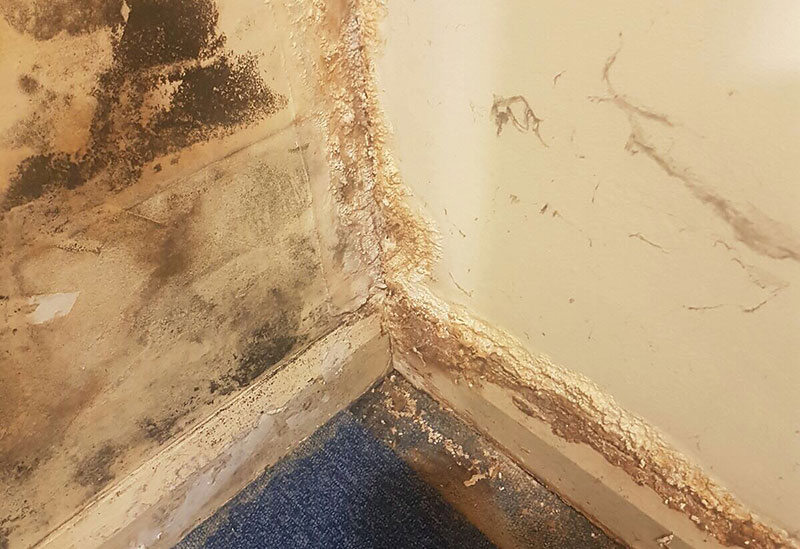
Damp problems in buildings are more than just an eyesore – they can compromise structural integrity, damage interiors, and even affect the health of occupants. At Wheatley Plastering & Damp Solutions, we specialise in diagnosing and treating all forms of damp, including penetrating damp, rising damp, and condensation issues. Serving properties across Kent, our team combines expert plastering skills with advanced damp-proofing solutions to ensure your home or business remains safe, dry, and resilient.
This blog aims to provide a comprehensive understanding of penetrating damp, including what it is, its causes, prevention strategies, and how our professional treatments can protect your property. Whether you are a homeowner, landlord, or property manager, understanding this silent threat is crucial for safeguarding your investment. Contact us today for more information!
What is Penetrating Damp?
Penetrating damp is a common issue in many buildings, often confused with rising damp but caused by different factors. Unlike rising damp, which originates from the ground, penetrating damp is caused by water infiltrating through external walls, roofs, or masonry. It usually occurs when the building’s exterior is compromised, allowing moisture to pass through and settle on internal surfaces.
Key Points About Penetrating Damp
Source
Penetrating damp originates from outside the building, often due to poor maintenance or defects in the structure. Water can seep through even minor cracks or imperfections, exploiting weaknesses that may have gone unnoticed for years. Over time, these external vulnerabilities can allow consistent moisture ingress, leading to significant internal issues.
Appearance
It manifests as wet patches on walls, ceilings, or around windows, sometimes accompanied by peeling paint or wallpaper. In more severe cases, the plaster may blister or crumble, leaving the wall surface uneven and damaged. Recognising these visual signs early can prevent extensive repairs and preserve the property’s aesthetic appeal.
Effect on Materials
Moisture can weaken plaster, timber, and masonry over time, leading to structural issues if left untreated. Wooden beams may rot, plaster can disintegrate, and brickwork may lose cohesion, all of which compromise the building’s integrity. Early intervention helps to protect these materials and maintain the property’s long-term stability.
Health Concerns
Persistent damp encourages mould growth, which can trigger respiratory problems and allergies. Mould spores are particularly harmful to children, the elderly, and those with pre-existing respiratory conditions. Addressing damp promptly not only protects your property but also safeguards the health of its occupants.
Symptoms
Staining, musty odours, and damp patches that do not rise from the floor, differentiating it from rising damp. These symptoms often develop gradually, making them easy to overlook until damage becomes severe. Regular inspection of vulnerable areas helps detect early signs and prevent escalation.
Moisture Pathways
Common entry points include cracked brickwork, defective guttering, damaged roof tiles, and failing render. Water can infiltrate through these weak spots during rain, wind-driven storms, or periods of high humidity. Understanding where moisture is likely to enter is crucial for effective prevention and repair.
Seasonal Impact
Penetrating damp may worsen during heavy rainfall or winter months when moisture levels increase. Freezing and thawing cycles can exacerbate cracks and structural weaknesses, accelerating water ingress. Being aware of seasonal patterns allows property owners to implement timely maintenance and protective measures.
What causes Penetrating Damp?
Understanding the causes of penetrating damp is essential for both prevention and treatment. Water can enter a building through numerous pathways, and multiple factors often contribute to the problem. By identifying these causes early, property owners can take steps to reduce risk and avoid expensive repairs.
Primary Causes
Faulty Roofs: Damaged or missing tiles, cracked flashing, or blocked gutters can allow rainwater to seep in. Even small roof defects can let significant amounts of water penetrate the building, especially during storms. Over time, this continuous exposure can weaken roof timbers and create internal damp problems that affect walls and ceilings.
Cracked or Porous Walls: Over time, bricks, stone, or mortar can deteriorate, creating entry points for moisture. Water can infiltrate through tiny cracks that may appear insignificant initially but grow larger with weathering. These vulnerabilities allow damp to spread internally, affecting plaster, decoration, and structural components.
Defective Pointing or Render: Eroded mortar joints and damaged render reduce the wall’s resistance to water penetration. Rainwater can easily seep through gaps in the pointing or cracks in render, reaching the interior surfaces. Maintaining these external coatings is crucial to protecting the building envelope and preventing prolonged moisture exposure.
Leaking Windows or Doors: Poorly sealed frames can allow water ingress during heavy rain. Water can run along sills and frames, causing internal damp patches and rot in timber components. Over time, these leaks can undermine window and door integrity, creating additional structural and cosmetic issues.
Blocked or Broken Gutters and Downpipes: Water overflow can cascade down walls, causing penetration. Constant water exposure can saturate brickwork and mortar, promoting damp spots inside. Ensuring proper drainage is critical to divert water away from the building and reduce penetration risk.
Structural Movement: Subsidence or minor settling can open gaps in the building envelope. These cracks create new pathways for moisture to enter, often in unexpected locations. Continuous monitoring and timely repairs can prevent these small movements from developing into serious damp issues.
Condensation-Related Issues: While condensation is a separate problem, excess moisture can exacerbate existing damp penetration. High internal humidity can combine with external leaks to accelerate mould growth and plaster deterioration. Addressing internal condensation alongside external damp ensures a more complete solution.
Secondary Contributing Factors
Vegetation Growth: Ivy and other climbing plants can trap moisture against walls. The constant presence of damp foliage can weaken external finishes and promote water ingress. Regularly controlling or removing climbing plants reduces the risk of persistent moisture problems.
Nearby Water Sources: Proximity to rivers, ponds, or poorly drained soil can increase damp risk. Rising groundwater and pooling water can affect the building’s foundations and encourage moisture penetration. Proper site drainage and landscaping adjustments can mitigate these environmental factors.
Poor Maintenance: Neglecting small defects often leads to larger, more expensive issues. Minor cracks, blocked gutters, or damaged seals can develop into serious damp problems over time. Routine inspections and repairs are essential to prevent small issues from escalating.
Age of Property: Older buildings may lack modern damp-proofing measures, making them more susceptible. Traditional construction methods often rely on materials that are more porous or less resistant to water ingress. Upgrading damp-proofing systems can protect older properties and extend their lifespan.
Penetrating damp is typically a combination of structural vulnerabilities and environmental factors, often occurring simultaneously. Early identification, regular maintenance, and professional intervention are essential to prevent long-term damage, protect the building’s integrity, and maintain a safe, healthy living environment.
How To Prevent Penetrating Damp
Prevention is always better than a cure when it comes to damp. Property owners can take several proactive steps to minimise the risk of penetrating damp.
Preventative Measures:
- Regular Roof Inspections: Check for missing tiles, cracked flashing, and gutter blockages.
- Maintain Guttering and Downpipes: Ensure water flows away from the building and is not pooling near foundations.
- Check Exterior Walls: Repair cracks, eroded mortar, and damaged render promptly.
- Seal Windows and Doors: Use high-quality seals and weather stripping to prevent water ingress.
- External Coatings: Consider applying breathable water-repellent coatings to walls.
- Improve Drainage: Ensure surrounding soil slopes away from the property and consider French drains if necessary.
- Control Vegetation: Remove climbing plants or ensure they are managed to prevent wall contact.
- Timely Repairs: Address small defects immediately before they escalate into major damp issues.
- Monitor Humidity: Maintain adequate ventilation inside the property to reduce the risk of condensation combining with external moisture.
By implementing these measures, property owners can significantly reduce the likelihood of penetrating damp and extend the life of their building’s structure and interiors.
Our Penetrating Damp Treatments
At Wheatley Plastering & Damp Solutions, we offer tailored solutions to tackle penetrating damp, protecting your property from long-term damage. Our treatments are designed to address the root cause of damp and restore your walls to a dry, healthy condition.
Rising Damp Treatment
While penetrating damp originates externally, rising damp often complicates the overall moisture problem. Our chemical damp-proof course installation ensures that moisture from the ground does not rise into the walls. This involves applying specialised moisture-repelling compounds that create an effective barrier, protecting your property from further damage. Learn more about rising damp solutions here.
Waterproofing
We apply advanced cementitious tanking compounds to walls and floors, creating a waterproof barrier that prevents moisture penetration. This solution is ideal for basements, cellars, and vulnerable exterior walls.
Plastering & Replastering
Damaged plaster is often removed and replaced with moisture-resistant plaster, ensuring a smooth, dry finish that prevents mould growth and further degradation.
Timber Treatments
Moisture can weaken timber structures, leading to rot and woodworm. Our specialised treatments protect and restore wood, preserving the integrity of your property.
Condensation & Damp Control
We implement ventilation solutions, dehumidifiers, and other moisture control strategies to reduce internal humidity and complement external damp treatments.
By combining these methods, our team ensures a comprehensive solution tailored to your property’s unique requirements. Each treatment is backed by expertise, professional installation, and long-term guarantees, giving you peace of mind.
In Conclusion: Protect Your Property, Protect Your Peace of Mind
Penetrating damp is a serious issue that, if ignored, can compromise your property’s structure, aesthetics, and the health of its occupants. At Wheatley Plastering & Damp Solutions, we offer expert diagnosis, professional treatments, and preventative advice to ensure your property remains dry, safe, and resilient. Don’t let damp control your building’s future—take proactive steps today to protect your investment. Contact us today for more information!
FAQs: Penetrating Damp
What is penetrating damp?
Penetrating damp occurs when water enters a building through external walls, roofs, or other structures, often due to defects or poor maintenance.
How can I tell the difference between rising and penetrating damp?
Rising damp comes from the ground and typically appears at the base of walls. Penetrating damp originates externally and can occur at any height.
What causes penetrating damp?
Common causes include roof leaks, cracked walls, defective render, poor guttering, and structural movement.
Can penetrating damp affect health?
Yes, prolonged damp can promote mould growth, which may cause respiratory issues and allergies.
Is penetrating damp visible?
Often, it appears as wet patches, peeling paint, or wallpaper, and may cause musty odours.
How can penetrating damp be prevented?
Regular maintenance, repairing cracks, ensuring proper drainage, sealing windows and doors, and applying water-repellent coatings can help.
What treatments are available?
Treatments include chemical damp-proof courses, waterproofing, replastering with moisture-resistant plaster, timber treatments, and ventilation improvements.
Can I fix penetrating damp myself?
Minor maintenance may help, but professional assessment is recommended to fully address the underlying causes.
How long does a damp treatment last?
Professional treatments, such as chemical damp-proof courses, typically offer long-term protection, often backed by guarantees.
Protect your property from penetrating damp today. Contact Wheatley Plastering & Damp Solutions for a survey and tailored solution. Your property deserves expert care – don’t wait for damp to cause damage.


