
10 Ways to Prevent Damp, Mould & Mildew in Older Properties
Older homes have a unique charm – period features, characterful layouts and craftsmanship that’s hard to find in modern builds. But with that charm often comes a common set of problems: damp, mould and mildew. At Wheatley Plastering & Damp Solutions, we’ve helped thousands of homeowners protect their properties using expert damp proofing, waterproofing and condensation control services.
Older properties often have solid walls, timber floors, and original joinery that require special care. Unlike modern builds, these homes were not designed with contemporary damp-proofing or insulation standards, making them more susceptible to moisture-related issues. That’s why a tailored approach is essential – one that combines traditional knowledge with modern damp control techniques to keep your home safe, dry, and comfortable year-round. This blog explores the most effective ways to prevent damp, mould and mildew in older homes, helping you safeguard your property and maintain a healthier living environment. Contact us today for more information.
What are damp, mould and mildew?
Older houses are naturally more prone to moisture-related issues due to their age, materials, and construction methods. Understanding the differences between damp, mould, and mildew is essential in tackling these problems effectively. Each has its own causes, effects, and treatment methods, so knowing what you’re dealing with is the first step toward protecting your home.
Damp
Damp refers to the presence of excess moisture within the structure or surfaces of a property. It can arise in various forms, each with distinct causes. Rising damp occurs when moisture from the ground travels up through porous masonry, often resulting in damp patches along lower walls. Penetrating damp is caused by water entering the building from outside, typically through leaks in the roof, damaged brickwork, or defective guttering. Condensation damp happens when warm, moist air inside the property comes into contact with cold surfaces, such as windows or poorly insulated walls, leading to water droplets forming.
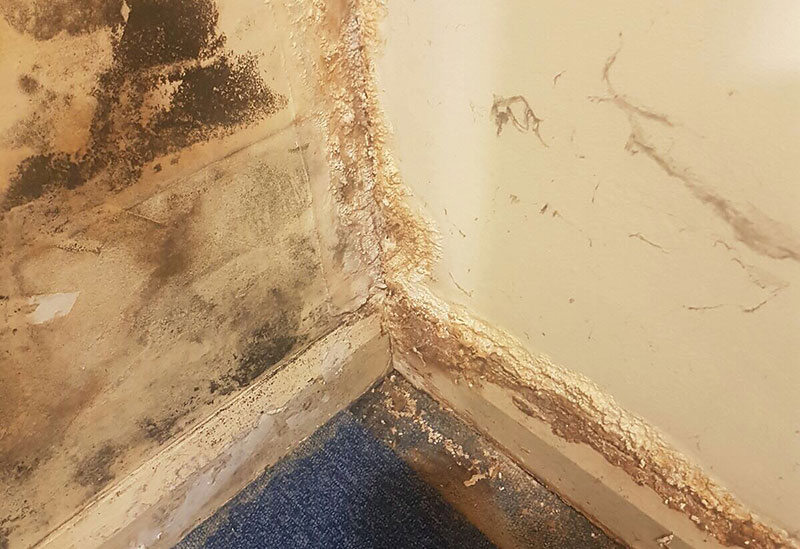
The effects of damp are not just cosmetic. Over time, it can cause staining, peeling paint, plaster damage, and even structural timber decay. In addition, damp contributes to musty odours and can negatively impact the health of occupants, causing respiratory irritation and aggravating conditions such as asthma. Understanding damp is the foundation for implementing effective prevention and treatment strategies.
Mould
Mould is a type of fungus that thrives in damp, humid environments. It often appears as fuzzy or patchy growths in shades of black, green, or white. Common areas where mould appears include corners of rooms, window frames, cold external walls, behind furniture, and in moisture-prone areas such as bathrooms and kitchens.
Mould is more than just unsightly; it poses a significant health risk. The fungus releases tiny spores into the air, which can be inhaled by residents. These spores can trigger allergic reactions, respiratory issues, and exacerbate conditions such as asthma. Because mould requires moisture to grow, addressing the underlying damp issue is crucial to prevent recurrence.
Mildew
Mildew is similar to mould but generally presents as a fine, powdery film that is white, grey, or yellowish in colour. Unlike mould, which can penetrate deeply into surfaces, mildew tends to remain on the surface, making it somewhat easier to clean. It commonly forms on windowsills, fabrics, wallpaper, and wooden surfaces where moisture has accumulated.
Despite being less aggressive than mould, mildew is still a sign of excess moisture and should not be ignored. Its presence indicates that conditions are favourable for more serious mould growth if left untreated. Timely intervention, such as improving ventilation and controlling humidity levels, can effectively prevent mildew from becoming a larger problem.
Damp, mould, and mildew are closely related but distinct issues. Damp is the moisture problem, while mould and mildew are the biological consequences that flourish in these conditions. By understanding how each develops and recognising the signs early, homeowners can take the right preventative measures to protect their property, maintain its value, and ensure a healthier living environment.
What causes damp, mould and mildew?
Moisture-related issues rarely occur without a root cause. Older properties are particularly vulnerable due to their age, materials and construction style. Understanding the underlying reasons helps homeowners take effective action to prevent long-term damage. Here are the most common causes.
Poor Ventilation
Lack of airflow traps moisture indoors. Everyday activities – cooking, showering, drying laundry – add litres of water to the air. Without adequate ventilation, this humidity lingers, creating ideal conditions for mould and mildew to develop on walls and ceilings.
Ineffective or Missing Damp Proof Course
Many older homes were built without a damp-proof course (DPC). If it’s missing or deteriorated, moisture can travel up through the walls. Over time, this rising damp can weaken plaster, damage skirting boards, and compromise the overall structure of the property.
Penetrating Rainwater
Cracked render, defective pointing, missing roof tiles, and faulty gutters allow rainwater to seep into the structure. Persistent penetration can lead to wet patches on walls, peeling paint, and even timber rot if left unaddressed.
High Ground Levels
Where soil sits above the internal floor level, water can breach the walls and cause rising or penetrating damp. This is particularly common in properties with poorly graded landscapes or garden beds built too close to external walls.
Plumbing Leaks
Hidden leaks behind plaster or under floors create ideal conditions for mould to flourish. Even minor leaks, if unnoticed, can result in widespread damp problems and damage to flooring, wall cavities, and ceilings.
Cold Spots & Thermal Bridging
Older homes often have poor insulation, creating cold surfaces where condensation forms easily. These cold spots act as magnets for moisture, encouraging mould growth on walls, window frames, and behind furniture.
Basement & Cellar Moisture
Below-ground structures are naturally prone to lateral water penetration without proper tanking or waterproofing. Moist basements can lead to damp walls, musty odours, and the growth of mould and mildew if left untreated.
Timber Decay
Damp creates an environment where rot fungi and woodworm can thrive, damaging the structural integrity of timber. Untreated timber decay not only weakens floors and joists but can also spread to roof structures and window frames.
Most damp issues are the result of moisture entering or being trapped within the home. Identifying the cause early saves time, money and stress, and ensures long-term protection for your property. Proactive inspection and maintenance are essential to preserve the structural integrity and comfort of older properties.
10 Ways to Prevent Damp, Mould & Mildew in Older Properties
Older homes require a combination of modern techniques and routine maintenance to stay healthy. Here are ten proven strategies to keep damp, mould and mildew under control.
- Improve Ventilation Throughout the Home
Good airflow is essential for reducing condensation.- Keep trickle vents open
- Use extractor fans in kitchens and bathrooms
- Open windows regularly
- Avoid blocking air bricks
- Consider mechanical ventilation where necessary
Ventilation helps control humidity, preventing moisture from settling on cold surfaces.
- Install or Upgrade Your Damp Proof Course
A working DPC forms a critical barrier against rising damp. Modern chemical damp proof courses are highly effective for older buildings and involve minimal disruption. - Maintain Roofs, Gutters and Downpipes
Rainwater is one of the biggest contributors to penetrating damp.- Clear blockages
- Repair sagging or broken gutters
- Replace cracked tiles
- Check flashing around chimneys
Clean drainage ensures water is directed away from the property.
- Insulate Walls, Lofts and Floors
Warm surfaces reduce the chance of condensation forming.
- Loft insulation
- Internal wall insulation
- Underfloor insulation
- Double glazing
Better insulation improves energy efficiency while tackling moisture issues.
- Use Dehumidifiers in Problem Areas
Dehumidifiers offer quick relief in high-moisture rooms such as basements, laundry rooms and bathrooms. They’re not a replacement for proper damp proofing, but can be part of an overall strategy.
- Waterproof or Tank Below-Ground Spaces
Basements and cellars are prone to water ingress due to ground pressure.
Professional waterproofing systems include:
- Cavity drainage membranes
- Sump pumps
- Full tanking systems
These solutions make the below-ground spaces dry, safe and usable.
- Check Internal Plumbing Regularly
Even small leaks can create big problems over time.
- Inspect under sinks
- Check pipe joints
- Look for damp patches on walls or ceilings
- Examine radiators and valves
Fixing leaks early prevents rot and mould growth.
- Keep Furniture Away from External Walls
Older homes often have cold external walls. Leaving a small gap behind furniture allows better airflow and helps prevent condensation and mould.
- Reduce Indoor Moisture Production
Everyday tasks contribute significantly to moisture levels.
- Put lids on pots when cooking
- Use tumble dryers with external vents
- Dry clothes outside when possible
- Keep bathroom doors shut when bathing
Small lifestyle changes have a big impact.
- Seek Professional Damp Surveys and Treatments
Ultimately, older properties benefit from expert assessment. At Wheatley Plastering & Damp Solutions, our fully qualified technicians offer:
- Rising damp surveys
- Timber and rot investigations
- Cellar and basement waterproofing designs
- Condensation and humidity assessments
A professional diagnosis ensures the right solution is applied for long-term protection.
Our Damp Treatments at Wheatley Plastering & Damp Solutions
We offer a full range of damp-proofing, plastering and waterproofing services throughout Kent, with 10-year guarantees on damp proofing and timber treatments.
Rising Damp Treatment
Our rising damp solutions use industry-leading chemical DPC systems backed by Safeguard Europe. We also replace salt-contaminated plaster to restore your walls properly.
Waterproofing
We provide advanced waterproofing using membranes, tanking systems and drainage solutions. Ideal for basements, cellars and below-ground structures.
Rot & Woodworm Treatments
Our technicians diagnose and treat wet rot, dry rot and woodworm infestations using high-grade timber treatments with long-term guarantees.
Basement & Cellar Conversions
We can convert damp, unused basements into dry, functional living spaces. From waterproofing to plastering, we offer a complete service.
Condensation Control
We assess humidity levels and provide tailored solutions such as passive ventilation, extractor upgrades and whole-home moisture control systems.
If your home is suffering from damp, mould or condensation, don’t wait until the problem worsens. Contact Wheatley Plastering & Damp Solutions today for a professional survey and expert treatment.
In Conclusion: Protect Your Home, Health and Future
Damp, mould and mildew don’t just damage your property—they affect your comfort and wellbeing. Older homes require expert care, and proactive protection is always more cost-effective than dealing with long-term structural damage.
At Wheatley Plastering & Damp Solutions, we specialise in helping Kent homeowners safeguard their properties with professional damp proofing, waterproofing and mould prevention services. Need help with damp, mould or moisture problems? Call us today!
FAQs
What are the signs of damp in an older property?
Common signs include peeling paint, musty smells, wet patches on walls, damaged plaster and visible mould growth.
Is rising damp common in older homes?
Yes, especially in houses built before DPCs were standard. Many older DPCs also deteriorate over time.
Can mould be harmful to your health?
Yes. Mould releases spores that can trigger asthma, allergies and respiratory issues.
How often should gutters be cleaned?
At least twice a year—more often if you’re surrounded by trees.
Can I paint over mould?
It’s not recommended. Mould will return unless the underlying moisture problem is resolved.
What is the best way to stop condensation?
Improve ventilation, reduce moisture production and insulate cold surfaces.
Are dehumidifiers enough to fix damp?
They help manage humidity but do not address structural damp causes like rising or penetrating damp.
Do you offer guarantees on your treatments?
Yes. As Safeguard Europe Approved Contractors, we offer 10-year guarantees on damp proofing and timber treatments.
What should I do if I find black mould?
Clean small areas safely using mould treatments, but arrange a professional survey to identify the cause.
Can basement damp be permanently fixed?
Yes, with a proper waterproofing system such as tanking or cavity drainage membranes.
Ready to Protect Your Home? Call Us Today
If your older property is showing signs of damp, mould or mildew, don’t wait for the problem to worsen. Get expert help from Wheatley Plastering & Damp Solutions – Kent’s trusted damp specialists.


