
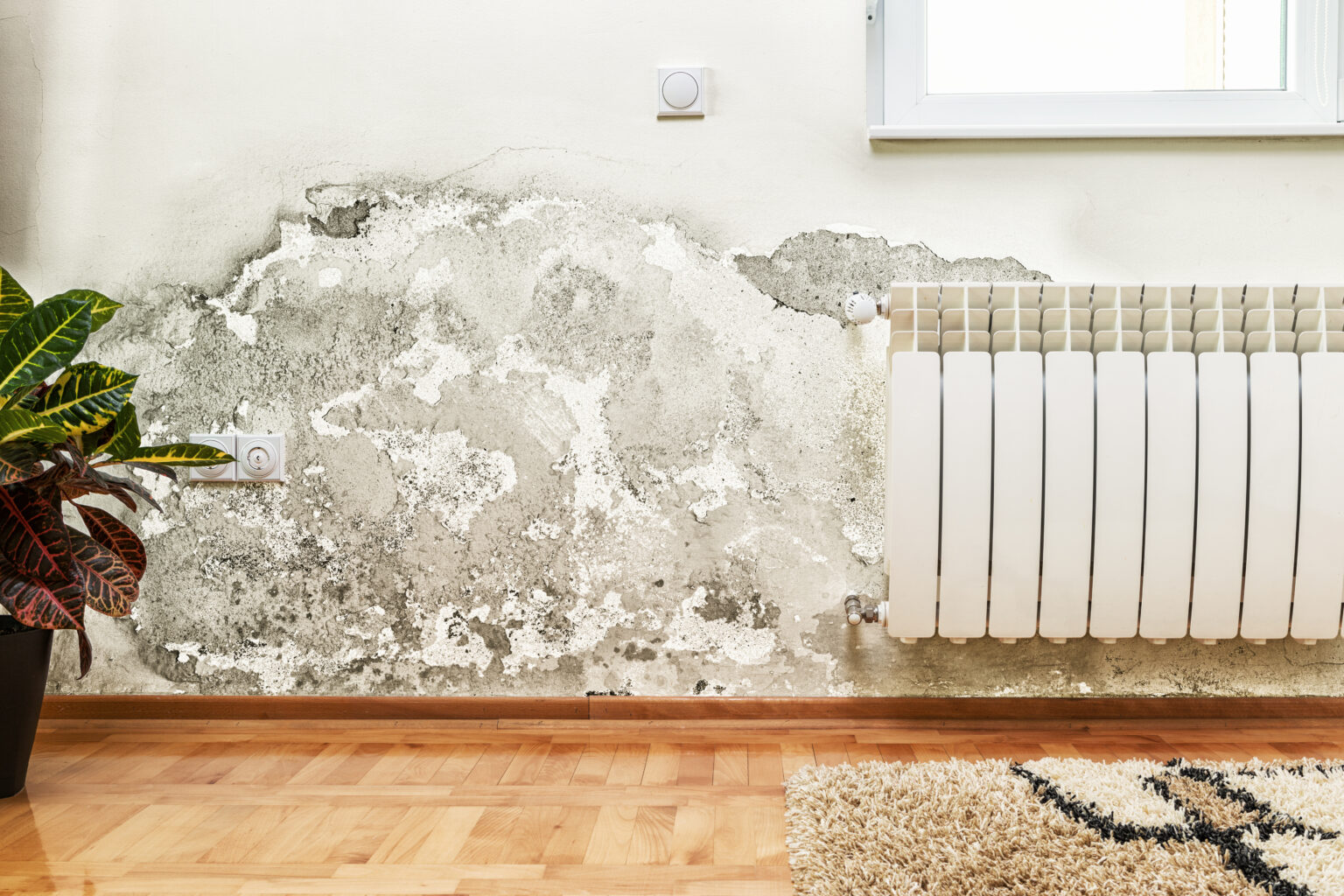
Condensation and mould are more than just unsightly household problems. They are silent intruders that can affect your home, your possessions, and most importantly, your health. At Wheatley Plastering & Damp Solutions, we see first-hand how properties suffer from avoidable damp-related issues, and how these problems often go untreated until health symptoms begin to appear.
As a Safeguard Europe Approved Contractor, Wheatley Plastering & Damp Solutions provides professional damp proofing, condensation control, waterproofing, timber treatment and plastering services throughout Kent. Through this blog, we aim to share expert advice, practical guidance and real-world insight to help homeowners understand the risks of condensation and mould, and how to protect both property and wellbeing. In this article, we will explore what condensation and mould really are, why they happen, how to spot the warning signs, and most importantly, why they could be quietly harming your health. For effective and reliable damp treatments, contact us today!
What is condensation?
Condensation is the process by which warm, moist air turns into liquid water when it comes into contact with a cold surface. You’ll often see it as water droplets on windows, tiles, walls or mirrors, especially in winter.
Warm air naturally holds more moisture than cold air. When this warm air meets a cold surface, it cools rapidly and releases excess moisture in the form of water. While this may seem harmless at first, regular condensation can lead to damp surfaces, water damage and, eventually, mould growth.
Condensation is particularly common in homes with poor ventilation, inadequate heating or high humidity levels – all of which are common in many UK properties.
What causes condensation?
Condensation is a result of moisture in the air meeting cold surfaces, but there are many underlying reasons why this happens so frequently in homes. Understanding these causes is essential in preventing long-term damage and protecting your health.
Everyday living naturally produces moisture, but problems arise when this moisture has nowhere to go. Without the right balance of warmth, insulation and ventilation, damp conditions quickly develop.
Common causes of condensation include:
• Cooking without using extractor fans or opening windows
• Showering or bathing without adequate ventilation
• Drying clothes indoors on radiators or airers
• Poor air circulation in rooms, cupboards and behind furniture
• Lack of insulation in walls, lofts and glazing
• Cold external walls, particularly in older or solid-wall properties
• Blocked or poorly maintained air bricks and vents
• Inconsistent heating that allows rooms to cool too quickly
• High occupancy levels, increasing breathing and moisture output
• Faulty or missing extractor fans in kitchens and bathrooms
When moisture repeatedly settles on cold surfaces, it creates the ideal conditions for damp and mould. The good news is that with professional advice and targeted treatments, condensation can be effectively controlled and prevented.
Signs of Condensation
Condensation problems often start small but become more serious over time. Spotting the early warning signs can help you take action before health or structural issues arise.
Look out for the following signs:
• Water droplets forming on windows and frames
• Damp patches appearing on walls and ceilings
• Peeling wallpaper or flaking paint
• Musty or stale smells in rooms
• Black marks around window reveals
• Rotting or warped timber window sills
• Damp wardrobes, cupboards or wardrobes against external walls
• Wet window sills in the morning
If you notice these signs regularly, it is likely that condensation is becoming a persistent issue in your home.
What is mould?
Mould is a type of fungus that grows in damp, warm and poorly ventilated environments. It spreads by releasing tiny spores into the air, which settle on surfaces and begin to grow when moisture is present.
In homes, mould often appears as black, green or grey patches on walls, ceilings, tiles, grout and furnishings. While some people view mould as purely cosmetic, it can be extremely harmful to both your home and your health.
Mould thrives in places where condensation is left untreated, making the two problems closely linked.
What causes mould?
Mould develops when moisture problems are left unresolved and surfaces remain damp for extended periods. While mould can appear quickly, persistent outbreaks usually point to deeper moisture issues within the property.
Understanding what causes mould makes it much easier to prevent and control.
Key causes of mould include:
• Ongoing condensation on cold walls and windows
• Rising damp travelling through masonry
• Penetrating damp from leaking gutters, roofs or brickwork
• Leaking plumbing pipes hidden within walls or floors
• Flooding or water damage that hasn’t been fully dried
• Poor ventilation in kitchens, bathrooms and utility rooms
• Poorly insulated external walls and loft spaces
• Furniture placed tightly against cold walls, trapping moisture
• Blocked chimneys and unused fireplaces restricting airflow
• Cracked rendering or damaged pointing allowing moisture ingress
When these conditions remain untreated, mould can spread rapidly and become harder to control. This is why professional damp surveys and tailored treatments are so important for long-term protection.
Signs of Mould
Mould is often visible, but it can also hide behind furniture, walls and flooring. Knowing what to look for can help you detect problems early.
Common signs of mould include:
• Black, green or grey patches on walls and ceilings
• A strong musty or earthy smell
• Dark staining around windows and corners of rooms
• Mouldy growth on bathroom tiles and grout
• Discolouration of wallpaper or paint
• Frequent condensation alongside visible mould
• Worsening respiratory symptoms when indoors
• Soft, crumbling plaster or damp skirting boards
If mould keeps returning after cleaning, it is usually a sign of an underlying damp issue that needs professional treatment.
Why Condensation & Mould Problems Might Be Harming Your Health
Condensation and mould are not just property issues; they are serious health concerns. Many people live with these problems without realising the impact they are having on their wellbeing.
When mould releases spores into the air, they are easily inhaled and can affect the respiratory system, especially in vulnerable individuals. Damp environments can also increase the presence of dust mites and bacteria, further aggravating health issues.
The health risks linked to condensation and mould include:
• Persistent coughing and throat irritation. This can become more frequent at night and may disturb sleep and daily comfort.
• Worsening asthma symptoms. Damp air and mould spores can trigger more frequent and severe asthma attacks.
• Increased risk of respiratory infections. Prolonged exposure can weaken the body’s natural defences against illness.
• Sinus congestion and headaches. These symptoms can become chronic when mould spores are consistently present in the air.
• Skin rashes and irritation. Direct contact with mould spores can cause itching, redness and discomfort.
• Eye, nose and throat irritation. These areas are particularly sensitive to airborne mould particles and dust.
• Fatigue caused by poor indoor air quality. Constant exposure to damp air can make you feel tired, sluggish and low in energy.
• Allergic reactions triggered by mould spores. These reactions can include sneezing, runny nose and watery eyes.
• Increased risk of bronchitis and other lung conditions. Long-term exposure can contribute to more serious respiratory complications.
• Greater health risks for babies, elderly residents and those with weakened immune systems. These groups are more vulnerable to the long-term effects of damp and mould exposure.
Left untreated, these conditions can significantly affect quality of life. The longer moisture and mould problems remain, the greater the impact on both physical and mental wellbeing.
How can you protect your health from condensation and mould?
Protecting your health starts with controlling moisture and improving indoor air quality. The aim is to reduce humidity, improve airflow and address any underlying damp problems. Taking action early is key to preventing long-term health effects and structural damage. Effective ways to protect your health include:
• Using extractor fans when cooking or showering
• Keeping trickle vents open on modern windows
• Heating your home consistently during colder months
• Improving insulation to reduce cold surfaces
• Drying clothes outdoors whenever possible
• Leaving space between furniture and external walls
• Regularly wiping away condensation from windows
• Opening windows briefly each day to exchange stale air
• Using dehumidifiers in problem areas when necessary
• Booking a professional damp survey for persistent problems
While lifestyle changes help, professional damp control is often essential for lasting results, particularly where hidden moisture problems exist.
Our Damp Treatments
At Wheatley Plastering & Damp Solutions, we provide a complete range of specialist damp and timber treatments designed to permanently resolve moisture problems. Every treatment we offer is tailored to the specific needs of your property.
Our services include:
• Rising Damp Treatment
We install professional damp proof courses and systems that stop moisture rising through walls from the ground, protecting plaster, decorations and structural masonry.
• Waterproofing
We provide internal and external waterproofing systems to prevent water ingress, ideal for basements, cellars and vulnerable ground floors.
• Rot & Woodworm Treatments
Our specialist timber treatments protect structural timbers from fungal decay and wood-boring insects, preserving the safety and value of your property.
• Basement & Cellar Conversions
We transform damp, unused spaces into dry, usable areas by installing effective waterproofing and ventilation systems.
• Condensation Control
We install positive input ventilation systems and other modern solutions designed specifically to control humidity and prevent condensation build-up.
All our damp and timber treatments come with long-term guarantees, giving you complete peace of mind. Get in touch with us today for more information and see how we can keep your home free from condensation, mould and damp.
In Conclusion: A Healthier Home Starts with a Drier Home
Condensation and mould may seem harmless at first, but they can quietly damage your home and harm your health over time. By recognising the early signs and taking professional action, you can create a safer, healthier living environment for you and your family.
At Wheatley Plastering & Damp Solutions, we are committed to helping homeowners across Kent live in dry, comfortable and healthy homes. With expert knowledge, proven treatments and guaranteed workmanship, we are here to solve your damp problems properly. If you are concerned about condensation, mould or damp in your property, now is the time to act – contact Wheatley Plastering & Damp Solutions Ltd today!
FAQs
Is condensation in my home dangerous?
Yes, ongoing condensation can lead to mould growth, which can affect air quality and health.
Can mould make you ill?
Mould can cause respiratory problems, allergies and worsen asthma symptoms.
How quickly can mould grow?
Mould can begin to grow within 24–48 hours in damp conditions.
Is black mould more dangerous than other moulds?
Black mould can produce harmful spores and should always be treated seriously.
Can children be affected more by mould?
Yes, children, babies and the elderly are more vulnerable to mould-related health problems.
Will cleaning mould solve the problem?
Surface cleaning removes visible mould but does not address the underlying moisture issue.
Should I use a dehumidifier all the time?
Dehumidifiers can help manage humidity but are not a permanent solution for structural damp.
How do I know if I have rising damp or condensation?
A professional damp survey can accurately identify the cause.
Can mould spread through the house?
Yes, mould spores travel through the air and can spread to other rooms.
If you’re worried about condensation, mould or damp affecting your health or your home, contact Wheatley Plastering & Damp Solutions today. Our experienced team provides honest advice, professional surveys and long-lasting treatments across Kent.


