
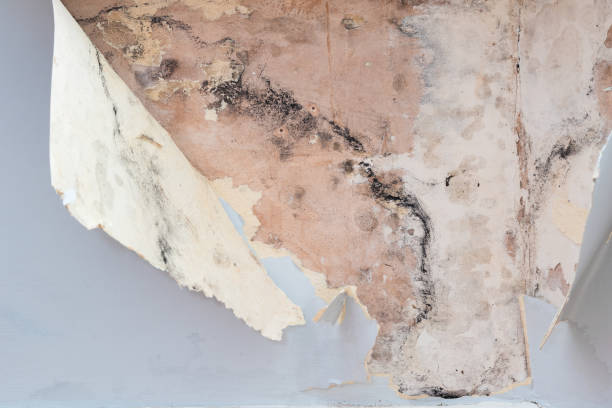
Rising damp is one of the most frustrating and misunderstood issues property owners can face. It often starts subtly, then gradually worsens, leading to damaged plaster, decayed skirting boards, mould growth, and even structural concerns if left untreated.
At Wheatley Plastering & Damp Solutions, we specialise in identifying and treating all forms of damp, including rising damp, condensation issues, timber decay, woodworm infestations, and basement waterproofing. Based in Kent, our experienced team provides reliable, long-term solutions backed by professional surveys and guarantees. In this blog, we’ll break down exactly what rising damp is, what causes it, how to recognise it, and most importantly, how it can be effectively treated and prevented.
If you require professional treatment for rising damp, please don’t hesitate to get in touch with Wheatley Plastering & Damp Solutions Ltd today.
What is Rising Damp?
Rising damp is a form of moisture penetration that occurs when groundwater travels upward through porous building materials such as brickwork, mortar, and plaster. This movement happens through a process known as capillary action, where moisture is drawn up through tiny pores in the wall structure.
Unlike leaks or condensation, rising damp originates from the ground level and typically affects ground-floor walls. It is usually controlled in modern buildings by a damp proof course (DPC), a protective barrier installed within the structure of the walls.
However, in older properties or buildings where the DPC has failed, deteriorated, or was never installed, rising damp can become a serious issue.
If untreated, it can lead to:
- Crumbling plaster
- Salt contamination in walls
- Musty odours
- Damp patches that gradually increase in height
- Damage to internal decorations and timber
Understanding what rising damp is and how it develops is the first step in protecting your property from long-term damage. While it may start as a small, often overlooked issue, it can quickly escalate if left untreated, affecting both the structure and comfort of your home. Early identification and professional treatment are essential to prevent costly repairs and ongoing deterioration. If you suspect rising damp in your property, it’s always best to seek expert advice to ensure the correct diagnosis and a lasting solution.
Signs of Rising Damp
Recognising rising damp early can save significant repair costs and help prevent more serious structural issues. Below are the most common warning signs to look out for in your property.
Damp Patches on Lower Walls
One of the earliest indicators of rising damp is damp patches appearing low on internal walls, typically up to around 1 metre high. These patches may feel cold and damp to the touch and often become more visible after periods of wet weather.
Peeling Wallpaper or Blistering Paint
Moisture rising through walls can cause wallpaper to lift and paint to bubble or blister. This happens as damp breaks down the bond between the wall surface and decorative finishes.
Tide Marks or Staining on Plaster
A clear horizontal “tide mark” is often left on affected walls, showing how high the moisture has risen. This staining can darken over time and is a strong indicator of ongoing damp issues.
White Salt Deposits (Efflorescence)
As moisture travels through the wall, it brings salts to the surface, leaving a white, powdery residue known as efflorescence. This is a common sign of long-term moisture penetration and should not be ignored.
Rotting Skirting Boards or Timber Damage
Persistent damp conditions can cause skirting boards and nearby timber elements to soften, warp, or rot. In severe cases, this may also lead to woodworm activity and further structural deterioration.
Musty Odours in Affected Rooms
A constant musty or earthy smell is often present in rooms affected by rising damp. This odour is caused by trapped moisture and potential mould growth within walls and materials.
Cold, Damp-Felt Walls
Even in dry weather, walls affected by rising damp may feel noticeably cold and damp. This is due to the continuous presence of moisture within the building fabric.
These symptoms often worsen over time, particularly when they are mistaken for condensation or penetrating damp, making early diagnosis and treatment essential. If you suspect rising damp on your property, please get in touch with us today for fast and reliable treatment!
What causes rising damp?
Rising damp doesn’t happen randomly – it is usually the result of specific structural or environmental issues that allow moisture from the ground to travel upwards through a property. Identifying the exact cause is essential, as the correct treatment depends entirely on what is allowing the moisture to enter the building in the first place. In many cases, multiple contributing factors may be involved rather than a single issue.
1. Failed or Missing Damp Proof Course (DPC)
Older properties may have no damp proof course at all, or the existing barrier may have deteriorated over time. When this protective layer fails, there is nothing to stop moisture from rising through the walls. In some cases, previous alterations or poor workmanship can also damage an existing DPC. Once compromised, the wall becomes highly susceptible to ongoing moisture ingress and visible damp problems.
2. High Ground Levels
Soil, patios, or paving that has been raised above the level of the DPC can bridge the protective barrier. This allows moisture to bypass the system designed to keep it out of the property. Over time, even small changes in external ground levels can have a significant impact. This is particularly common in older homes where landscaping has been altered without considering damp protection.
3. Porous Building Materials
Brickwork and mortar naturally absorb moisture, especially in older or more traditional buildings. Without adequate protection, these materials can act like a sponge and draw water upwards from the ground. This is often made worse in properties with aged or weathered masonry. Once saturation begins, it can spread gradually and affect large sections of internal walling.
4. Blocked or Poor Drainage
Poor external drainage systems can lead to water collecting around the base of a property. This constant exposure increases the likelihood of moisture being absorbed into the foundations and lower walls. Blocked gutters, damaged downpipes, or inadequate ground drainage can all contribute. Over time, this sustained moisture exposure can significantly increase the risk of rising damp developing.
5. Structural Defects
Cracks in walls, weakened mortar joints, or compromised foundations can provide pathways for moisture to travel into the building fabric. These defects reduce the building’s ability to resist ground moisture effectively. Even minor structural issues can worsen over time if left unaddressed. As the structure weakens, it becomes increasingly vulnerable to persistent damp problems.
Understanding the root cause is essential for effective treatment, which is why professional diagnosis is always recommended. A proper survey ensures the correct solution is applied, preventing recurring issues and unnecessary repair costs.
How To Treat Rising Damp
Rising damp requires a specialist approach rather than temporary fixes. At Wheatley Plastering & Damp Solutions, we use proven, industry-approved methods designed for long-term protection and peace of mind.
Accurate Diagnosis First
Before any treatment begins, a full damp survey is carried out to confirm the presence of rising damp and rule out other issues such as condensation or penetrating damp. This ensures the correct solution is applied.
Effective Treatment Methods Include:
- Chemical Damp Proof Course (DPC) Installation: A specially formulated damp-proof cream or liquid is injected into the affected walls. This creates a moisture-resistant barrier that prevents water from rising further.
- Removal of Contaminated Plaster: Salt-contaminated plaster is removed from affected areas to prevent recurring damp issues.
- Replastering with Salt-Resistant Materials: Walls are re-plastered using specialist renovation plaster that resists future salt damage.
- Moisture Barrier Reinforcement: Additional protective measures may be applied depending on the severity of the issue.
- External Ground Level Adjustments: If necessary, the surrounding ground levels are corrected to ensure the DPC is not bridged.
- Drainage Improvements: Enhancing drainage around the property helps reduce long-term moisture exposure.
- Preventative Damp Treatments: Protective coatings and systems are applied to reduce the likelihood of recurrence.
- Tailored Solutions for Each Property: Every building is different, so treatments are customised based on construction type, age, and condition.
Treating rising damp is not just about fixing visible damage – it’s about preventing it from returning. That’s why professional installation, quality materials, and expert workmanship are essential.
The Importance of Treating Rising Damp in Your Property
Rising damp is more than just a cosmetic problem – it can significantly impact the health, structure, and value of your home. Here’s why treating rising damp is so important for your property…
- Protects Structural Integrity: Continuous moisture weakens mortar, brickwork, and internal finishes over time.
- Prevents Timber Decay: Damp conditions create the perfect environment for rot and woodworm infestations.
- Improves Indoor Air Quality: Damp environments encourage mould growth, which can affect respiratory health.
- Maintains Property Value: Damp issues can significantly reduce market value and deter potential buyers.
- Reduces Long-Term Repair Costs: Early intervention prevents expensive structural and decorative repairs later on.
- Creates a Healthier Living Environment: Eliminating damp improves comfort, warmth, and overall living conditions.
Ignoring rising damp only allows it to spread and worsen. Addressing it early ensures your property remains safe, dry, and structurally sound for years to come.
In Conclusion: Protecting Your Property Starts with the Right Expertise
Rising damp is not something to ignore or attempt to mask with temporary fixes. It is a progressive issue that requires accurate diagnosis, professional treatment, and long-term prevention strategies. The good news is that with the right expertise, it is entirely manageable and treatable.
At Wheatley Plastering & Damp Solutions, we provide expert damp proofing, plastering, waterproofing, condensation control, and timber treatment services across Kent. Our team is fully trained, highly experienced, and committed to delivering reliable long-term results with every project. If you suspect rising damp in your property, now is the time to act. Contact us today for a professional assessment!
FAQs
What causes rising damp in houses?
It is caused by groundwater rising through brickwork due to capillary action, usually when a damp-proof course is missing or damaged.
How can I tell if it’s rising damp or condensation?
Rising damp typically affects lower walls and leaves tide marks, while condensation appears higher and is linked to humidity.
Can rising damp go away on its own?
No, it will usually worsen over time without professional treatment.
How is rising damp treated?
The most common treatment is a chemical damp proof course combined with plaster removal and reinstatement.
Is rising damp dangerous?
It can lead to structural damage and mould growth, which may impact health and property value.
How long does damp proofing last?
A professionally installed damp proof course can last decades when properly maintained.
Do I need to replaster after treatment?
Yes, affected plaster must be removed and replaced with salt-resistant materials.
How much does rising damp treatment cost?
Costs vary depending on severity and property size, so a survey is required for an accurate quote.
Can rising damp return after treatment?
If correctly treated, it should not return. However, external issues must also be addressed.
Do I need a professional survey?
Yes, a survey is essential to confirm the diagnosis and ensure the correct treatment is used.
Take the First Step Towards a Dry, Healthy Home
Rising damp doesn’t fix itself – but it can be effectively treated with the right expertise. If you’re concerned about damp in your property, contact Wheatley Plastering & Damp Solutions today to book a professional survey. Your property deserves long-term protection, and our team is ready to help you achieve a dry, safe, and healthy home.


